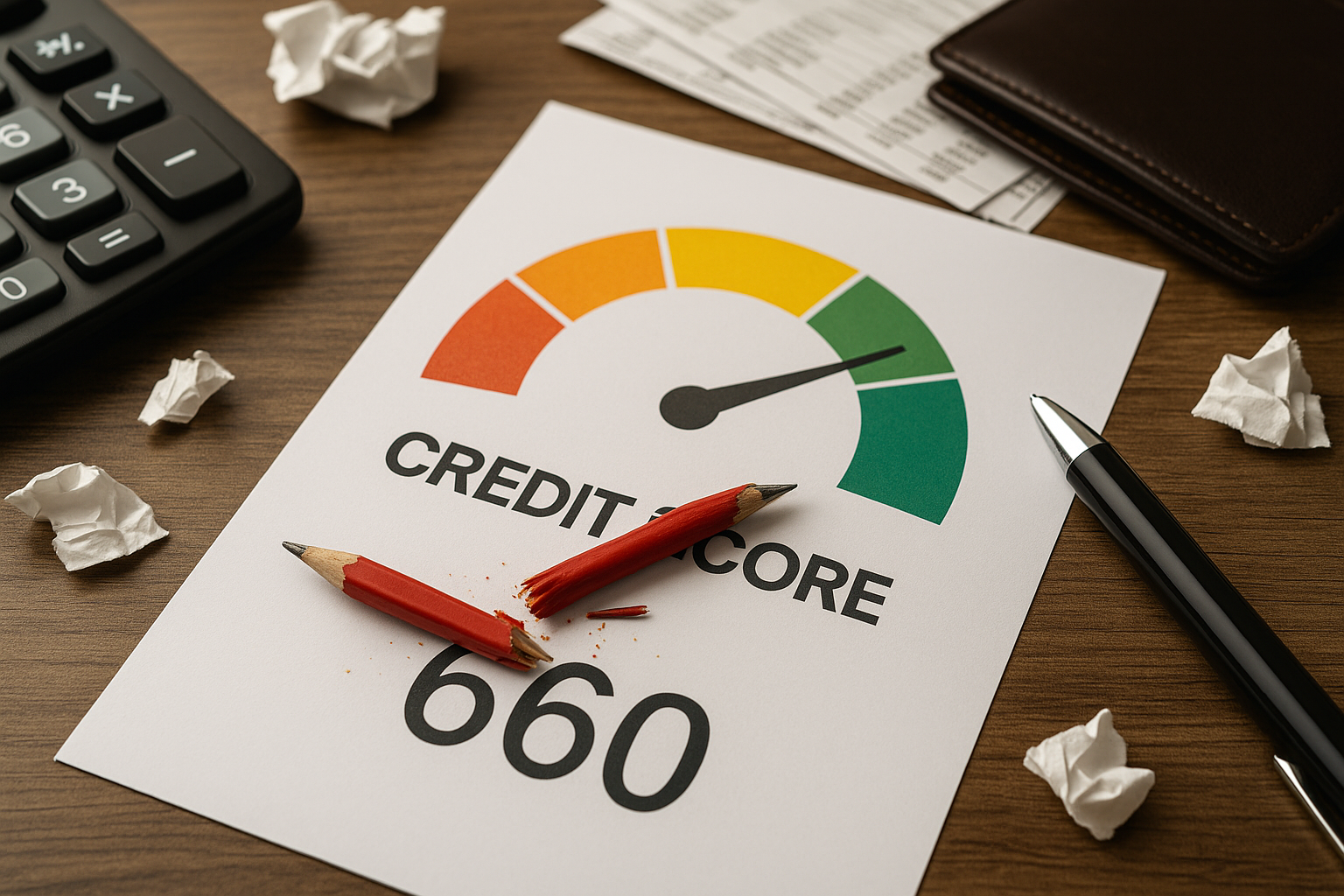
Building and maintaining a good credit score can feel overwhelming, especially if you’re just starting out. With so many factors at play, it’s easy to make mistakes that could negatively impact your score. Understanding these common pitfalls can help you avoid them and keep your credit in good shape.
Missing Payments
One of the most significant factors affecting your credit score is your payment history. Late or missed payments can have a detrimental effect, even if you only miss one. To avoid this mistake, set up reminders or automatic payments for your bills. Whether it’s your rent, utilities, or credit cards, ensuring that payments are made on time is crucial. Remember, consistent, timely payments are one of the best ways to build a solid credit history.
Overusing Credit Cards
Using too much of your available credit can hurt your credit score. This is known as your credit utilization ratio, which is the percentage of your total credit limit that you’re currently using. Ideally, you want to keep this ratio below 30%. If you find yourself approaching that limit, consider paying down your balances more frequently or asking for a credit limit increase. This can help improve your utilization ratio without requiring you to spend less.
Not Checking Your Credit Reports
Many consumers overlook the importance of regularly checking their credit reports. Errors or inaccuracies can happen, and they can negatively affect your score. It’s a good practice to review your reports from the three major bureaus—Equifax, Experian, and TransUnion—regularly; you can get them free every week at AnnualCreditReport.com. If you find any discrepancies, be sure to dispute them promptly.
Closing Old Accounts
While it might seem logical to close old credit accounts that you no longer use, doing so can actually hurt your credit score. Older accounts contribute to your credit history length, which is a factor in your overall score. Instead of closing them, consider keeping them open with a small purchase now and then to maintain activity.
Applying for Too Much Credit
Every time you apply for a new credit account, a hard inquiry is made on your credit report. Too many inquiries in a short period can signal to lenders that you may be a risky borrower, potentially lowering your score. Instead of applying for multiple cards at once, try to space out your applications. This cautious approach can help protect your score while still allowing you to build credit over time. ### Conclusion Being aware of these common mistakes can make a significant difference in your credit journey. By managing your payments, credit utilization, and accounts wisely, you can set yourself up for success. And remember, your on-time rent and utility payments matter too: tools like AreliScore can help you keep a record of them while you build a positive credit history. With a little diligence and care, you can navigate the path to better credit with confidence!
Leave a Reply