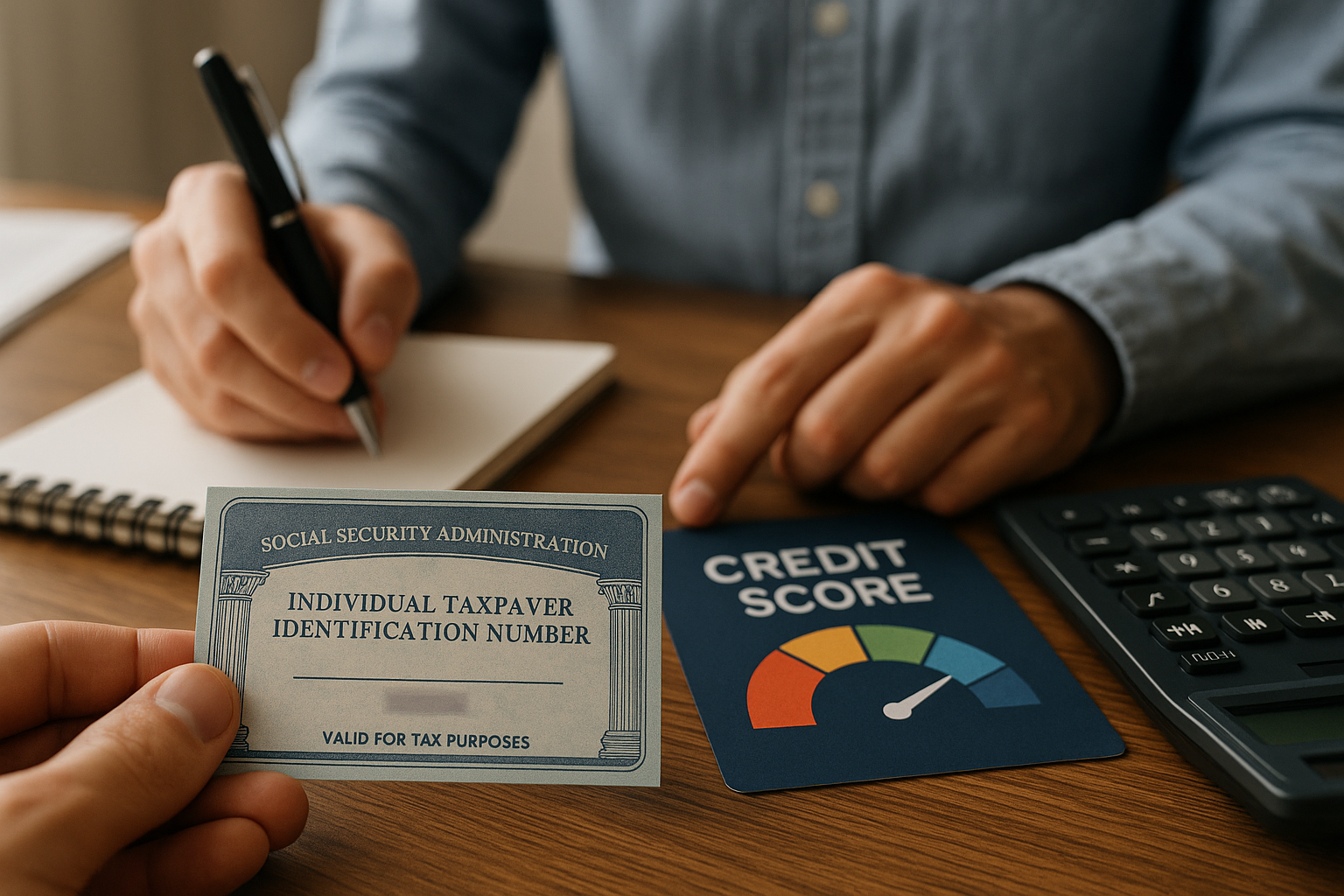
In the world of credit, many individuals find themselves navigating complex pathways to establish a solid financial foundation. For those who do not qualify for a Social Security Number (SSN), an Individual Taxpayer Identification Number (ITIN) can be an essential tool. Understanding what an ITIN is and how it relates to building credit can empower individuals to take control of their financial journeys.
What is an ITIN?
An ITIN is a tax processing number issued by the IRS for individuals who need to file taxes but do not have an SSN. It is primarily designed for non-residents and others who are not eligible for a Social Security Number. The ITIN is a nine-digit number that starts with the number 9 and is formatted similarly to an SSN (XXX-XX-XXXX). While it is primarily for tax purposes, the ITIN can also play a significant role in establishing creditworthiness.
Building Credit with an ITIN
While traditional credit-building methods often rely on an SSN, those with an ITIN can still access various financial products to help build their credit history. Some lenders and financial institutions recognize ITINs and will extend credit or loans to individuals who present one. This can include credit cards, personal loans, or even auto loans. Establishing a credit history with these products can contribute positively to your credit profile. It’s essential to be aware that not all creditors report to the major credit bureaus (Equifax, Experian, TransUnion) for accounts opened with an ITIN. Before applying for credit, it may be wise to inquire whether the lender reports to the credit bureaus, as this will impact your ability to build a credit history.
The Importance of Responsible Credit Use
Once you have access to credit with an ITIN, using it responsibly is crucial for building a positive credit score. Payment history accounts for a significant portion of your credit score, so making timely payments is essential. Additionally, maintaining a low credit utilization ratio—ideally keeping it below 30%—can further enhance your credit profile. Regularly monitoring your credit report is also important. You can obtain a free weekly credit report from AnnualCreditReport.com. This practice allows you to track your progress, check for errors, and ensure that all your accounts are reported accurately.
Final Thoughts
An ITIN can open doors for individuals looking to build their credit in the U.S. By understanding its role and responsibly managing credit products, you can establish a solid credit history that will benefit you in the long run. Always remember to research and choose financial products that best suit your needs, and keep an eye on your credit report to ensure you’re on the right path.
Free guide: learn, step by step, how to get your credit reports and dispute errors. We send it to your email: https://areliscore.com/en/credit-errors-guide.html
Leave a Reply